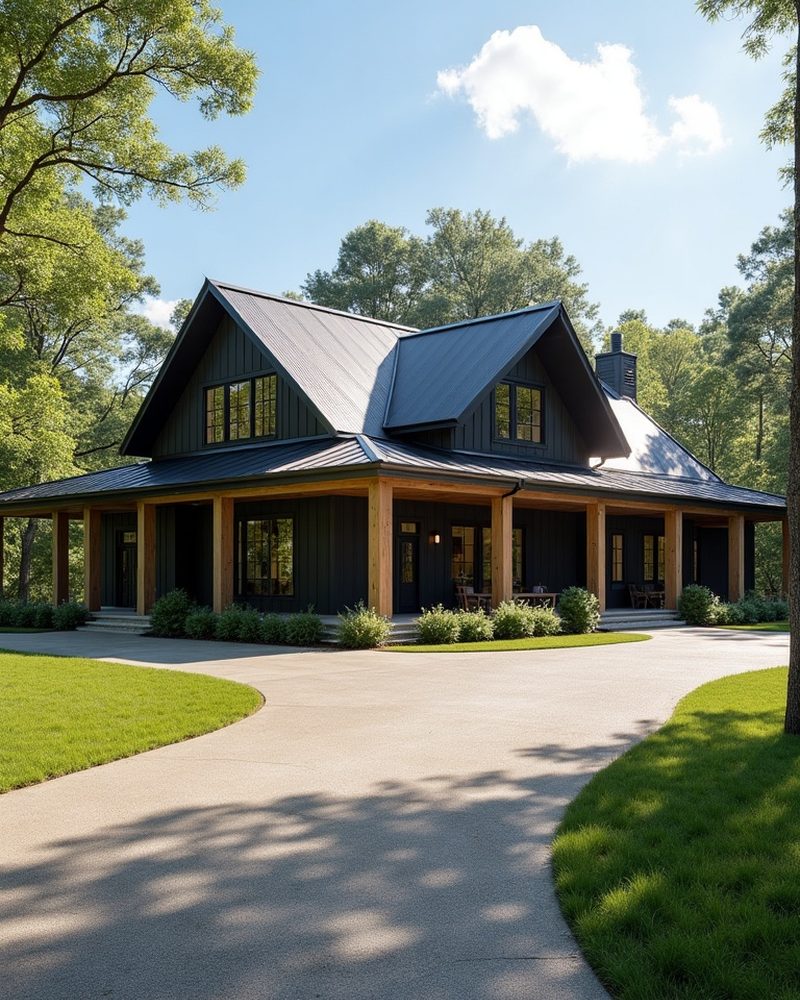
When someone first walks into a Forsyth County home their eyes and their checklist are working at the same time. Curb appeal gets attention but the decisions that turn a showing into an offer are almost always driven by a handful of practical details that matter to buyers and sellers long after the market moves. This guide explains those details, why they matter in Forsyth County GA, and what sellers and buyers should prioritize today to win tomorrow.
Think like the buyer who will pay you more. In Forsyth County much of the buyer pool is local or relocating within the Atlanta region. They compare neighborhood rhythm, commute reliability, school fit, usable outdoor space, and functional layouts before they decide to move past charm. For sellers, presenting those elements clearly and credibly reduces time on market and improves offer quality. For buyers, focusing on these items helps avoid costly surprises and creates leverage during negotiations.
School alignment is more than a line on a map. Forsyth County Schools are a major buyer magnet. But it is the nuance that matters: which bus routes serve the subdivision, whether a property falls into a popular cluster for after school activities, and how close elementary pickup points are. These are things buyers notice immediately and sellers should highlight in listings and marketing materials, not bury in fine print.
Commute clarity beats commute estimates. Buyers want to know daily realities: where traffic backs up on GA 400, alternate routes to I-285, and how long commutes are at peak times to key employment centers. Listing pages that address commute patterns honestly and provide realistic drive-time comparisons win buyer trust. Sellers who can provide a few peak-time commute checks or mention recent improvements to local roads reduce friction for buyers who are sensitive to commute time.
Layout and daily function trump style trends. Open floor plans are popular but buyers shop for livability: is there a dedicated home office, how private are primary suites, is pantry space adequate, and are bedrooms clustered or isolated? In Forsyth County homes with basements or daylight-level lower floors score well because they offer flexible living space for remote work, multigenerational families, or rental income. Sellers should photograph and describe these usable spaces clearly.
Outdoor living is a Forsyth County premium. Proximity to Lake Lanier, walkable neighborhood trails, covered porches, screened decks, and usable yard depth make a difference. Buyers want outdoor spaces that extend living areas — flat backyards for play, yards with privacy buffers, and outdoor kitchens or fireplaces for entertaining. If your property has irrigation systems, recent landscaping improvements, or retains a tree line buffer, call those items out in marketing materials.
Systems and efficiency matter more than aesthetics. Heating and cooling history, roof age, water heater type, septic versus county sewer, and insulation levels show up on buyers checklists early. With tighter lending and appraisal scrutiny, well-documented maintenance histories and energy-related upgrades can reduce lender headaches and speed closings. Sellers who provide a service history and recent inspection documents stand out.
Internet and cell coverage are no longer optional. For Forsyth County buyers balancing remote work or streaming households, reliable fiber or strong LTE coverage is a must. Highlight available providers and any recent fiber or cable upgrades. If you have a mesh Wi Fi system or a wired home office, mention it — buyers cross this off quickly when evaluating homes.
Staging for function not fashion sells faster. Instead of redecorating to chase trends, stage rooms to show how they can be used: a guest room staged as a home office, a mudroom demonstrating storage solutions, or a basement set up as a multiuse family room. Neutral but purposeful staging helps buyers envision
